
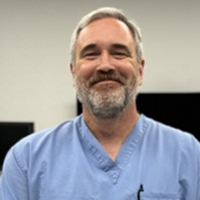
Brian Sellers
Vascular Surgeon
Dr. Brian Sellers was born in Ozark, Alabama and is a graduate of Troy University. He obtained his medical degree at the Kansas City University of Medicine and Biosciences. Dr. Sellers completed his general surgery residency at the Medical College of Georgia. He went on to complete his vascular surgery fellowship at Carolinas Medical Center in Charlotte, NC. Dr. Sellers has a special interest in the treatment of peripheral arterial disease and amputation prevention.
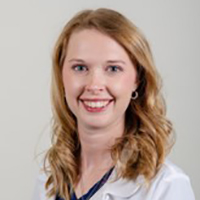
Megan Nettles
CRNP
Megan Nettles is a highly experienced Family Nurse Practitioner (FNP) with a Master of Science in Nursing (MSN). Board-certified (FNP-C), she has dedicated her career to providing comprehensive healthcare to patients of all ages. Megan specializes in primary care, chronic disease management, and preventive health services. With a patient-centered approach, she is committed to improving health outcomes through evidence-based practice and compassionate care. Megan is known for her ability to build strong relationships with her patients, ensuring they feel heard and valued during every visit.
Vascular Specialist
The physicians are trained to focus on blood vessels through the body. They monitor and treat vascular disease in every part of the body except the brain and heart.
Vascular Disease
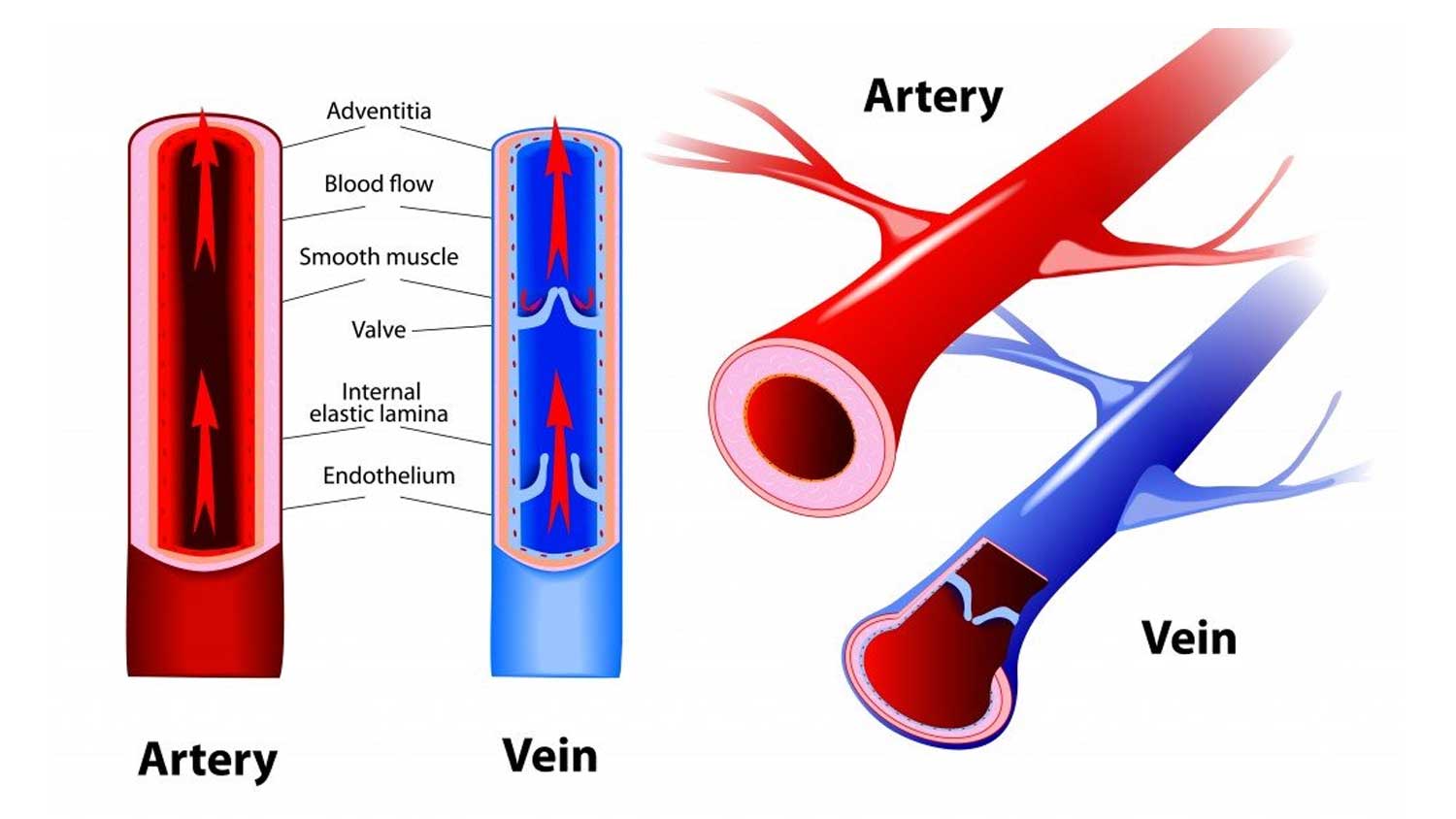
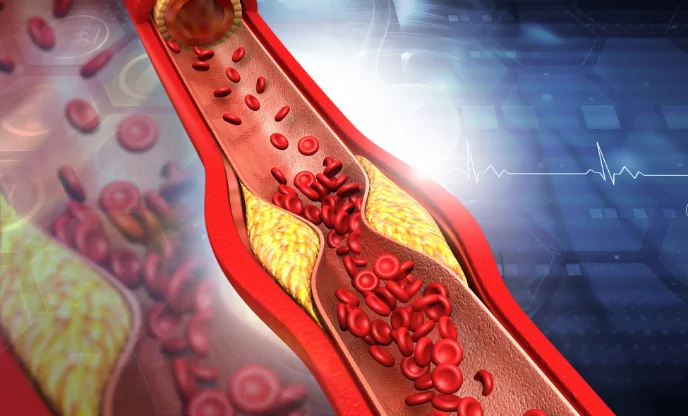
Blood vessels are like flexible tubes that carry blood away from the heart (these are called arteries) and to the heart (these are called veins). Vascular disease is anything that effects blood flow. When the blood vessels narrow or get blocked by plaque it may deprive parts of the body of blood.
Vascular Disease We Manage
A bulge in weakened abdominal artery. As the aneurysm grows the artery becomes vulnerable to rupture. A ruptured AAA will cause massive internal bleeding that is usually fatal.
The build up of plaque in the main blood vessel to the brain. Plaque can build over time. The plaque build up may cause a stroke or blood clots.
Leg Swelling is basically fluid build up in the leg causing it to swell. Sometimes swelling may be normal due to something like standing all day (this is called Edema). Lymphedema is another type of leg swelling that happens due to lymph nodes not filtering properly. There may be other causes of this swelling. If leg swelling is left untreated it may result in wounds not healing, infections, etc.
Peripheral Arterial Disease (PAD) build up of plaque in the arteries of the leg. Untreated blood flow in legs may lead to amputations, higher risk of stroke, infection, etc.
Venous Insufficiency refers to veins in the legs not being able to bring blood back to the heart. This issue may be caused by the valves in the veins not closing properly or by weakened vein walls. If left untreated it may cause ulcers that will not heal, a DVT, damage tissue in the leg, etc.
A vascular access that allows blood to travel through soft tubes to the dialysis machine where it is cleaned, filtered, and put back into the body.
- Temporary catheter - penetrate the skin and directly enter the venous system (infection risk)
- Permanent catheter - penetrate the skin, but are then tunneled under the skin for several inches before they finally enter the venous system (infection risk)
- AV fistula - taking a piece of a vein from the arm or leg and sewing it into a nearby artery, allowing the sewn-in vein to enlarge and become thicker, like an artery
- AV graft - the sewing of a prosthetic graft between an artery and vein in the arm or leg
- Peritoneal dialysis - placement of a small tube, called a cannula, in the abdomen to allow the use of the lining of the abdomen (peritoneum) to filter the blood
Your Risk of Vascular Disease
- Tobacco use-this means smoking, chewing tobacco, dipping snuff. Nicotine can inflame the linings of the blood vessels and helping plaque to build.
- High blood pressure-increased pressure can weaken blood vessel walls.
- High cholesterol-this is known as blood fat which causes plaque to build.
- Diabetes-may cause atherosclerosis, hardening/narrowing of arteries.
- Not exercising
- Family history
- Obesity
Possible Treatment Plans
- Small aneurysm without symptoms may just be monitored for growth and change.
- Large aneurysm or symptomatic may require a procedure. These can be fatal without treatment.
- Lower percentage of blockage will normally be monitored.
- Higher percentage of blockage may require surgical intervention.
- Medication.
- Usually starts with compression therapy and monitoring.
- Dependent on symptoms.
- Manage symptoms and monitor if disease is minor.
- Angiogram/Angioplasty-endovascular procedure to diagnose blockage with potential to open blockage. A stent and medication may be needed.
- Bypass-a surgery that creates a new path for blood flow using a healthy blood vessel.
- Amputation if blood flow cannot be restored.
- Medication may be used.
- Compression therapy-tight fitting socks or hose may help veins work better and reduce symptoms.
- Medication.
- Injections such as sclerotherapy or VenaSeal (https://www.medtronic.com/us-en/patients/treatments-therapies/varicose-vein-treatments/venaseal-procedure.html).
- Procedures such as ablations, stripping, etc.
A vascular access that allows blood to travel through soft tubes to the dialysis machine where it is cleaned, filtered, and put back into the body.
- Temporary catheter - penetrate the skin and directly enter the venous system (infection risk)
- Permanent catheter - penetrate the skin, but are then tunneled under the skin for several inches before they finally enter the venous system (infection risk)
- AV fistula - taking a piece of a vein from the arm or leg and sewing it into a nearby artery, allowing the sewn-in vein to enlarge and become thicker, like an artery
- AV graft - the sewing of a prosthetic graft between an artery and vein in the arm or leg
- Peritoneal dialysis - placement of a small tube, called a cannula, in the abdomen to allow the use of the lining of the abdomen (peritoneum) to filter the blood
How to prepare for your clinic appointment:
- Wear loose, comfortable clothes.
- Bring all medications you are currently taking. A list can be helpful but seeing the bottles is best.
- If you have a bandage or dressing in the area to be examined, we will need to remove the dressing, so bring your supplies so we can assist you in re-dressing the area.
- Be on time for your appointment. If you are going to be late, call us as soon as you can to avoid being rescheduled. (334) 246-4774.
- Confirm your appointment. The system will call, text, or email for confirmation if we have your information on file.
- Only one person may accompany the patient to the appointment.
- If you are not able to walk or transfer yourself, have someone with you to help you. Our staff cannot assist with this.
- Have your most recent insurance cards with you.
- Notify us of any change in address, telephone number, and/or insurance information.
- Be prepared to pay co-pay, deductible, and/or any outstanding balance.
Some procedures are done in the office:
- Angiogram
- Diagnostic
- Intervention
- Fistulagram
- Radiofrequency Ablation (RFA)
- Sclerotherapy
- VenaSeal
- Wound care
We offer in office procedures to qualifying patients for patient convivence and ease.
Lifestyle changes are a major part of treatment and management.